 Call Us
Surgery to diagnose
Taking a sample of a lump or a gland so the laboratory can say whether it is cancer, and what type. Often a small procedure, and sometimes done with a needle rather than a cut.
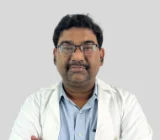
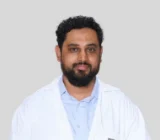 2 CION specialists for Banjara Hills
They decide whether an operation can remove the cancer, and plan it with medical and radiation oncologists. Call to check where and when your doctor is in.
Surgical Oncologist
Head of Surgical Oncology
Share your details and our care team will call you back to fix a time with the right specialist.
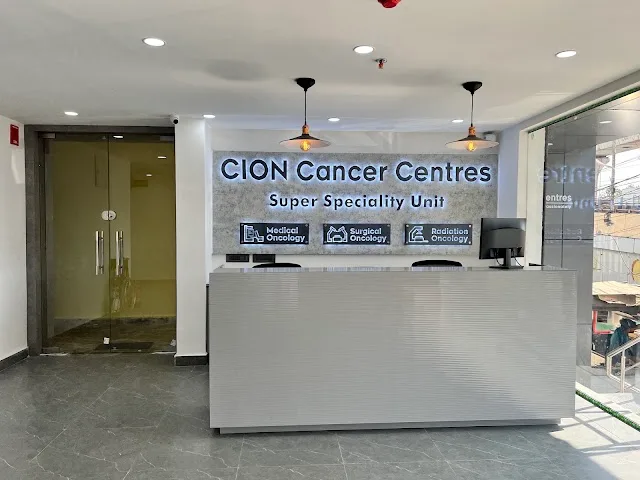
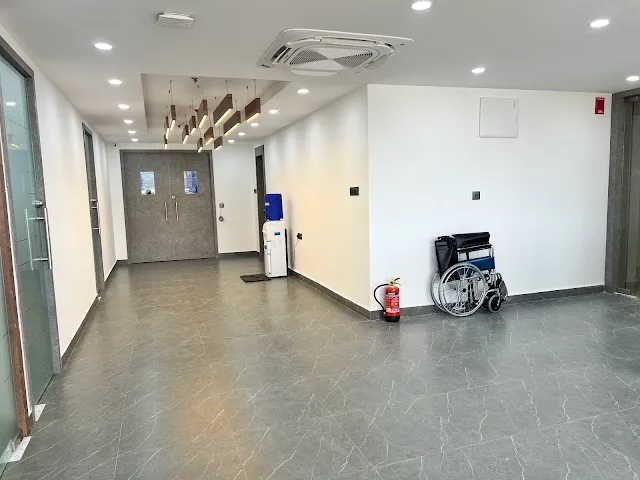
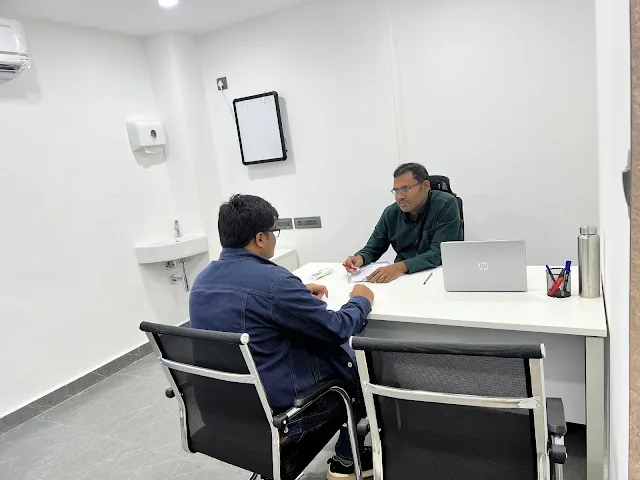
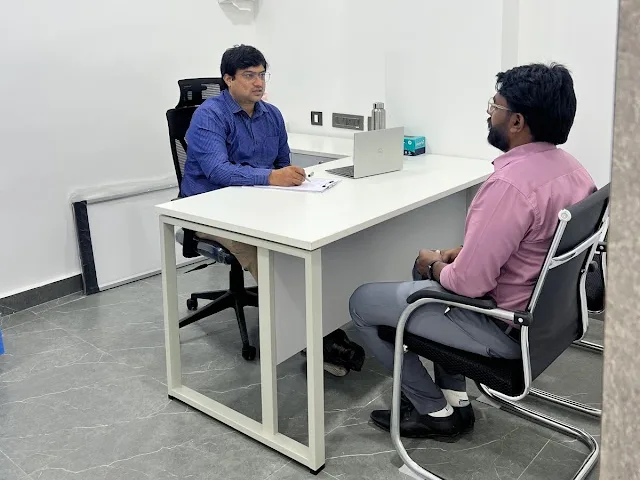
A look inside CION L.B. Nagar
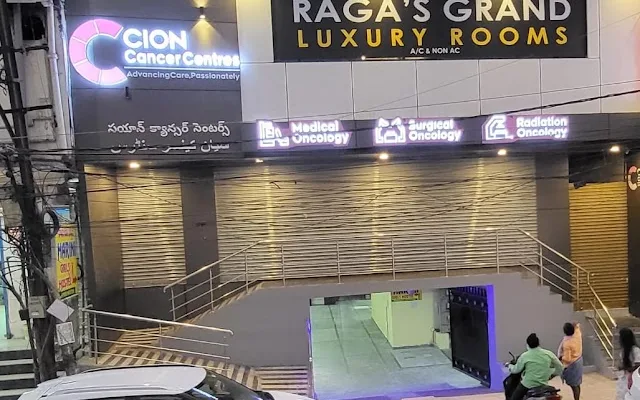
Other CION centres in Hyderabad

Most operations need a biopsy first, a small sample of tissue checked in a laboratory. It tells the surgeon what kind of cancer it is, which changes the operation itself.
A scan shows how large the tumour is and whether it has reached nearby glands or other organs. Surgery only makes sense when the whole picture is known.

Blood tests, a heart tracing and sometimes a breathing test show whether your body can handle the operation safely. Sugar and blood pressure may need settling first.

The case goes to the tumour board, where surgical, medical and radiation oncologists agree the order of treatment. Then you hear the plan, the hospital and a written estimate.
The word "surgery" covers very different things. Ask which one is being suggested for you.
Taking a sample of a lump or a gland so the laboratory can say whether it is cancer, and what type. Often a small procedure, and sometimes done with a needle rather than a cut.
Taking out the tumour with a rim of healthy tissue around it, and often the nearby glands. This is what most people mean when they say cancer surgery.
Some operations can be done through small cuts with a camera. Others need one larger cut. The tumour's size and place decide this, not preference alone.
When a cancer cannot be removed, an operation may still relieve a blockage, bleeding or pain. This is palliative surgery, meaning it aims at comfort rather than removal.
Every case goes to CION’s network tumour board, where these specialists from CION’s centres join your doctor. Ask for any of them when you book.
Decide whether an operation can remove the cancer, and when.
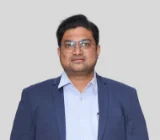
8+ years · MBBS, MS (General Surgery), M.Ch (Surgical Oncology), FMAS, FARIS (Ongoing)
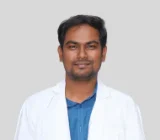
10+ years · MBBS, MS (General Surgery), M.Ch (Surgical Oncology)
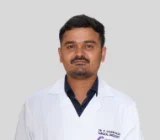
7+ years · MBBS, MS (General Surgery), M.Ch (Surgical Oncology), FMAS
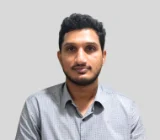
5+ years · MBBS, MS (General Surgery), DrNB (Surgical Oncology), FALS Oncology
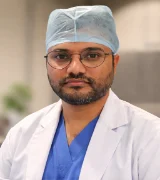
10+ years · MBBS, MS (General Surgery), DrNB (Surgical Oncology)
Treat cancer with carefully aimed radiation.
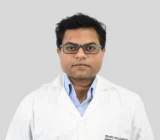

10+ years · MBBS, MD (Radiation Oncology), MPH
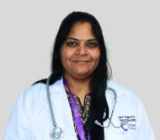
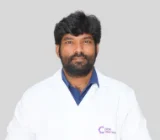
13+ years · MBBS, MD (General Physician), DNB (Radiation Oncology)
Treat cancer with medicines such as chemotherapy.
10+ years · MBBS, DM (Medical Oncology), MD (Radiation Oncology)
10+ years · MBBS, DNB (Internal Medicine), DM (Medical Oncology)
8+ years · MBBS (Gold Medal), DNB (General Medicine), DM (Medical Oncology) (Gold Medal)
8+ years · MBBS, MD (General Medicine), DM (Medical Oncology) (Adyar, Chennai), ECMO, MRCP SCE (UK)
8+ years · MBBS, MD (General Medicine), DrNB (Medical Oncology), ECMO, MRCP SCE (Medical Oncology) (UK)
7+ years · MBBS, DM (Medical Oncology), MD (Internal Medicine)
Diagnoses and treats blood cancers and blood disorders.
10+ years · MBBS, MD (Immunohaematology & Blood Transfusion), Fellowship in Clinical Haematology (CMC Vellore)
Start with a Consultation
Ask for the doctor you want, or we’ll match you.
What usually comes first: Medicines, led by a blood cancer specialist
What usually comes first: Chemotherapy or radiotherapy to shrink it, then a fresh look
What usually comes first: Treatment that reaches the whole body
What usually comes first: Getting fit enough, or a different treatment
Think of Banjara Hills as the place you plan, recover and continue treatment. The surgeon meets you here, chemotherapy is given here, and you come back here after the operation.
Chemotherapy is given at CION Banjara Hills, usually as day-care, so you go home the same evening. If your plan includes medicines to shrink the tumour first, or to lower the chance of it returning later, you do not have to switch centres for them.
The centre is in Banjara Hills, Hyderabad, near Errum Manzil Metro and the Irrum Manzil bus stop. It is open Monday to Saturday, 9:30 AM to 6:00 PM. Call the helpline for directions before your first visit.
Families from Jubilee Hills, Film Nagar, Yousufguda, Madhapur, Punjagutta and the Road No. 12 side of Banjara Hills often find it the nearest CION centre. If Ameerpet, Masab Tank or another centre is easier for you, the same helpline books it.
Good to know
This page explains how care works. Only a surgeon who has seen your reports can say whether you need an operation.
Removing the tumour. A complete resection means the surgeon could take out all the cancer that was visible.
The edge of the tissue that was removed. A clear margin means no cancer cells were found right at that edge.
A small gland that filters fluid from the area. Checking them shows whether the cancer has begun to travel.
Treatment given before the operation, usually to make the tumour smaller and easier to remove.
The cancer coming back after treatment. Follow-up visits are there to catch this early.
Myth
What is true: A planned biopsy or operation by a cancer surgeon does not make the disease spread. Waiting does give it time to grow. This fear is one of the most common reasons for a delay that matters.
Myth
What is true: Small cuts heal faster, but they suit only some tumours. For a large or awkwardly placed cancer, an open operation may be the safer way to remove it completely.
Myth
What is true: Removing nearby glands is often a routine part of the operation. It lets the laboratory check them, which helps plan the next step. It does not mean the cancer had reached them.
Myth
What is true: Many can do the cutting. Fewer plan it around the cancer: the margin, the glands, the order of treatment. That planning is what a surgical oncologist adds.
The same specialists and one helpline serve every CION location in Hyderabad. Pick the location nearest you, then the specialist you need.
You are here
Timings, services and how to reach the centre
How operations are planned and followed up from here
Which kind of cancer specialist to see first
Have surgery advised elsewhere checked before you agree
The general guidance on this page draws on these sources. Facts about CION come from CION’s own pages.
Leave your number and our care team calls you back, or call any time. One helpline serves every CION centre.
Medically reviewed by Dr. Imaduddin Mohammed, Head of Surgical Oncology (MBBS, MS (General Surgery), M.Ch (Surgical Oncology)). Last reviewed October 2026. This page is general information for families from Banjara Hills, not medical advice: your specialist advises on tests and treatment after seeing you.
Still unsure? Call 1800 202 8726.
Dr. Imaduddin Mohammed, Head of Surgical Oncology at CION, sees patients at Banjara Hills. Dr. Muralidhar Muddusetty is also on the CION surgical team, and the care team tells you where and when he sees patients. Call the helpline to check which surgeon is in on the day you plan to come.
The operation is not done at this centre. You meet the surgeon, plan the operation and come back for follow-up here. Your care team names the hospital where the operation takes place, and tells you how far it is, before you or your family agree to it.
Either is a reasonable start, and the care team can help you choose. A surgeon is a good first step when the mass looks solid and contained. If the reports point to a blood cancer or to spread in several places, a medical oncologist is usually the better first meeting.
Yes. Chemotherapy is given at CION Banjara Hills, usually as day-care. The medical oncologist plans it after reading the tissue report from your operation. The surgeon and the medical oncologist share the same records, so you do not have to carry your story from one doctor to the next.
Often, yes, especially before a large operation. Bring the advice you were given and all the reports. The surgeon will tell you whether they agree and explain any difference. You stay free to have the operation wherever you choose afterwards.
CION's team helps with cashless insurance and gives you a written estimate before you start. Bring your policy papers and insurance card to the first visit. The team can then check what your cover includes before the operation date is fixed.
CION Banjara Hills is open Monday to Saturday, 9:30 AM to 6:00 PM. It is near Errum Manzil Metro and the Irrum Manzil bus stop. Call before you come so you know the surgeon is in that day, and ask for directions if it is your first visit.
You return for a wound check and to go through the tissue report with the surgeon. After that, visits are spaced out, with scans or blood tests as your team advises. If you notice a new lump, bleeding or a fever, call the helpline rather than waiting for the next visit.
Follow Us:



 1800 120 2676