 Call Us
Before an operation
Medicines are given first to shrink a large tumour, so the surgeon can remove it more easily or spare more healthy tissue.
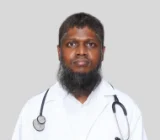 1 CION specialist for Banjara Hills
They plan chemotherapy, targeted therapy and immunotherapy, with surgeons and radiation doctors at a tumour board. Call to check where and when your doctor is in.
Medical Oncologist
Share your details and our care team will call you back to fix a time with the right specialist.
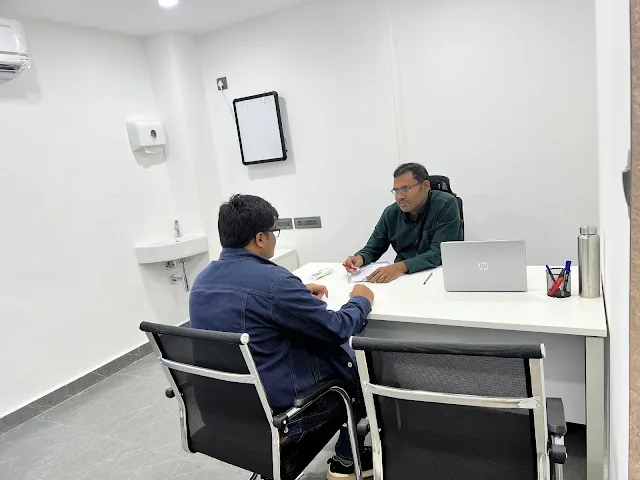
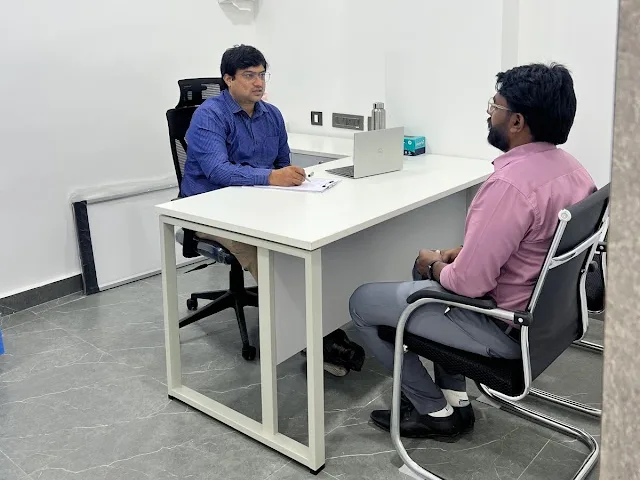
A look inside CION L.B. Nagar
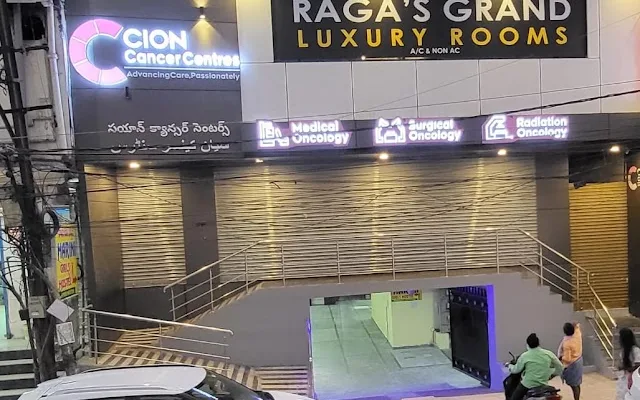
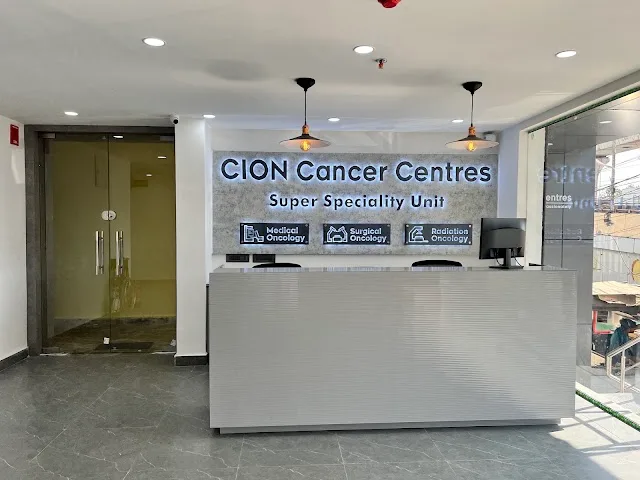
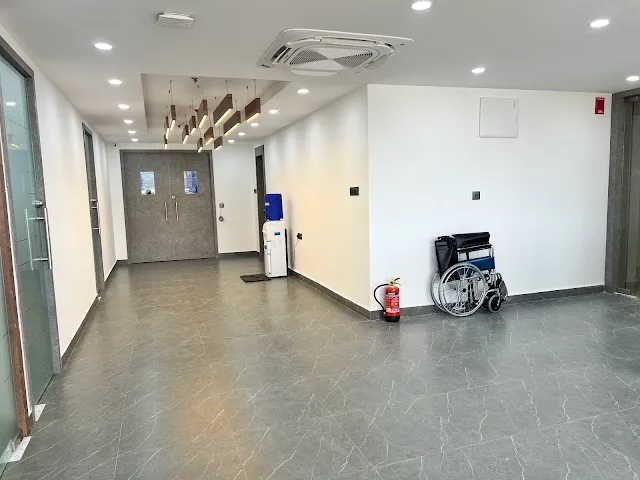
Other CION centres in Hyderabad

The biopsy, the scans and the blood tests, including old ones from another hospital. One early line can change the plan, so bring all of them, even the ones you think do not matter.

Some cancers need a further test on the tumour tissue before a drug can be chosen. Your oncologist explains which test, why it is needed, and where it is done.

Your case goes to a tumour board, where medical, surgical and radiation oncologists decide together what comes first. This stops one specialist deciding alone.

The drugs, how often you come in, what to expect at home, and a written cost estimate. You agree only once your questions are answered.
Medicines can sit at different points in a plan. Knowing which one applies to you makes the rest easier to follow.
Medicines are given first to shrink a large tumour, so the surgeon can remove it more easily or spare more healthy tissue.
The lump is gone, but medicines lower the chance of hidden cells growing back. Your oncologist weighs the benefit against the side effects for your stage.
Medicines are usually the main treatment. The aim is to control the cancer, ease symptoms and keep you living well for as long as possible.
For some cancers, a low dose of chemotherapy makes radiotherapy work better. The two specialists plan the timing together.
Some targeted and hormone medicines are taken by mouth at home for a long stretch. You still come in for blood tests and check-ups, and the oncologist adjusts the dose if side effects build up.
Sometimes medicines are used mainly to ease pain, breathlessness or other symptoms. Your oncologist says plainly when that is the goal, so the family can plan with clear eyes.
Every case goes to CION’s network tumour board, where these specialists from CION’s centres join your doctor. Ask for any of them when you book.
Treat cancer with medicines such as chemotherapy.
10+ years · MBBS, DM (Medical Oncology), MD (Radiation Oncology)
10+ years · MBBS, DNB (Internal Medicine), DM (Medical Oncology)
8+ years · MBBS (Gold Medal), DNB (General Medicine), DM (Medical Oncology) (Gold Medal)
8+ years · MBBS, MD (General Medicine), DM (Medical Oncology) (Adyar, Chennai), ECMO, MRCP SCE (UK)
7+ years · MBBS, DM (Medical Oncology), MD (Internal Medicine)
Treat cancer with carefully aimed radiation.
10+ years · MBBS, MD (Radiation Oncology), MPH
13+ years · MBBS, MD (General Physician), DNB (Radiation Oncology)
Decide whether an operation can remove the cancer, and when.
Head of Surgical Oncology
12+ years · MBBS, MS (General Surgery), M.Ch (Surgical Oncology)
8+ years · MBBS, MS (General Surgery), M.Ch (Surgical Oncology), FMAS, FARIS (Ongoing)
20+ years · MBBS (AIIMS), MS (Surgery) (AIIMS), DNB (Surgical Oncology), MRCS (Edinburgh)
10+ years · MBBS, MS (General Surgery), M.Ch (Surgical Oncology)
7+ years · MBBS, MS (General Surgery), M.Ch (Surgical Oncology), FMAS
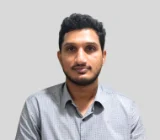
5+ years · MBBS, MS (General Surgery), DrNB (Surgical Oncology), FALS Oncology
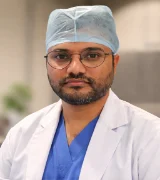
10+ years · MBBS, MS (General Surgery), DrNB (Surgical Oncology)
Diagnoses and treats blood cancers and blood disorders.
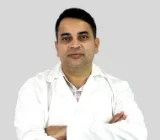
10+ years · MBBS, MD (Immunohaematology & Blood Transfusion), Fellowship in Clinical Haematology (CMC Vellore)
Start with a Consultation
Ask for the doctor you want, or we’ll match you.
The named combination of drugs you will be given, and how often.
Treatment given in a chair during the day. You go home the same evening.
The white cells, red cells and platelets checked before each dose. Low counts can delay the next round.
A scan part-way through treatment to see whether the cancer is shrinking, stable or growing.
A lighter treatment continued after the main course, to keep the cancer under control.
What to do: Go to the nearest emergency department now, then tell your oncologist
What to do: Emergency care first, the same day
What to do: Call the care team today. Do not wait for your next visit
What to do: Common. Mention it at your next appointment
What to do: Tell the doctor before the next dose, which may be adjusted
You see Dr. Owais Mohammed and receive chemotherapy at the same centre in Banjara Hills, so the doctor who planned your treatment is close by on the days you come in for it.
CION Banjara Hills is about five minutes from Errum Manzil Metro and near the Irrum Manzil bus stop. The centre is open Monday to Saturday, 9:30 AM to 6:00 PM. When you book, the care team shares the exact directions so you are not searching on the day.
Families from Jubilee Hills, Madhapur, Film Nagar, Yousufguda, Punjagutta and Road No. 12 often find Banjara Hills the easiest to reach. If another CION centre suits your route better, the same helpline can book it, and your reports travel with you.
Operations and radiotherapy are not given at this centre. If your plan needs either, your team names the hospital that does it and gives you the estimate before you decide.
Good to know
The centre is not an emergency department. For fever or bleeding during treatment, go to the nearest emergency department first.
Myth
What is true: For many cancers, medicines are the main reason people live longer. Side effects are real, but most are planned for and treated. Your oncologist should explain both sides before you decide.
Myth
What is true: Some of the most effective cancer drugs are tablets. The form says nothing about strength. Tablets still need the same blood tests and check-ups.
Myth
What is true: Many people keep working, with lighter days around each round. Talk to your doctor about your job, so the timing can be planned around it where possible.
Myth
What is true: Age alone does not decide. Fitness, other illnesses and what the person wants matter more. Doses can often be adjusted for an older patient.
The same specialists and one helpline serve every CION location in Hyderabad. Pick the location nearest you, then the specialist you need.
You are here
The centre: timings, services and how to reach it
How day-care chemotherapy runs at this centre
How specialists agree the order of your treatment
If an operation is likely to come first
The general guidance on this page draws on these sources. Facts about CION come from CION’s own pages.
Leave your number and our care team calls you back, or call any time. One helpline serves every CION centre.
Medically reviewed by Dr. Owais Mohammed, Consultant Medical Oncologist (MBBS, MD (General Medicine), DrNB (Medical Oncology), ECMO, MRCP SCE (Medical Oncology) (UK)). Last reviewed October 2026. This page is general information for families from Banjara Hills, not medical advice: your specialist advises on tests and treatment after seeing you.
Still unsure? Call 1800 202 8726.
Dr. Owais Mohammed sees patients at CION Banjara Hills. He trained in general medicine and medical oncology, and plans chemotherapy, targeted therapy and immunotherapy. He works with CION's surgical and radiation oncologists, and plans are reviewed at a tumour board.
Yes. Chemotherapy is given at CION Banjara Hills, usually as day-care, so most people return home the same day. If a particular drug needs an overnight stay, your oncologist tells you in advance and explains where that will be.
Errum Manzil Metro is about five minutes from the centre, and the Irrum Manzil bus stop is close by. The care team shares exact directions when you book. On a chemotherapy day, plan for someone to travel home with you.
Yes. Bring the plan, the doses already given and every report behind it. Dr. Owais Mohammed will go through it and tell you whether he agrees, and if not, why. A review like this does not commit you to having treatment at CION.
Often, yes. Blood tests are almost always needed, and some cancers need a test on the tumour tissue to decide whether a targeted drug fits. Your oncologist explains each one and where it is done before ordering it.
CION's team helps with cashless insurance and gives you a written estimate before you start. Bring your policy details and insurance card to the first visit so the team can begin the paperwork early.
Yes. A son, daughter or spouse can bring the reports for a first discussion. Many families start this way when the patient is unwell. The oncologist must still see the patient before any treatment is given, but a great deal can be explained first.
It depends on the drugs. Some plans need a visit every few weeks, others more often, and tablets may need only regular check-ups. Your oncologist gives you a written schedule at the start, so you can plan travel and work around it.
Follow Us:



 1800 120 2676