 Call Us
CION Kukatpally
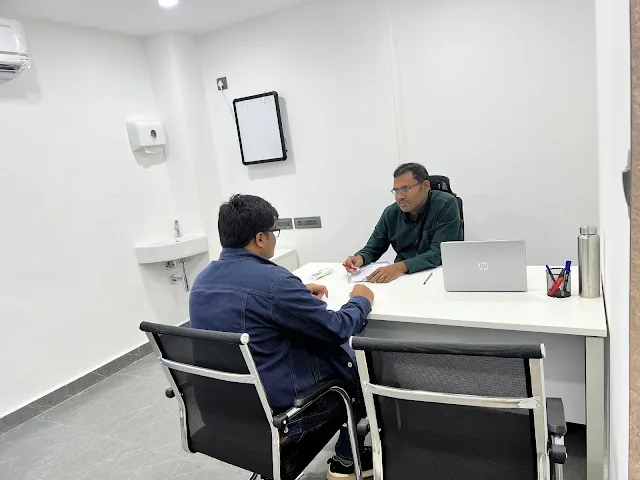
Dr. Pokhrel sees patients here. The centre is inside OMNI Hospitals on the Mumbai Highway, opposite Big Bazaar in Balaji Nagar. It suits families from KPHB, Miyapur, Nizampet and Moosapet.
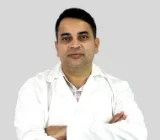 1 CION specialist for Hyderabad
Dr. Basudev Pokhrel, CION’s haematologist, works with the medical oncology team on leukaemia, lymphoma and myeloma. Call to check where and when your doctor is in.
Haematologist
10+ years · MBBS, MD (Immunohaematology & Blood Transfusion), Fellowship in Clinical Haematology (CMC Vellore)
Share your details and our care team will call you back to fix a time with the right specialist.
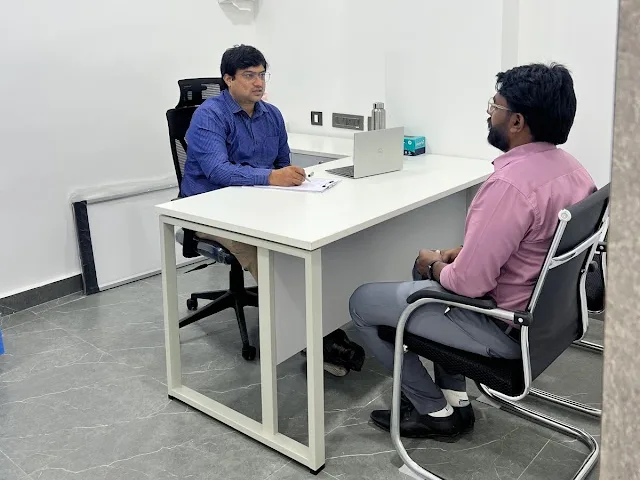
A look inside CION L.B. Nagar
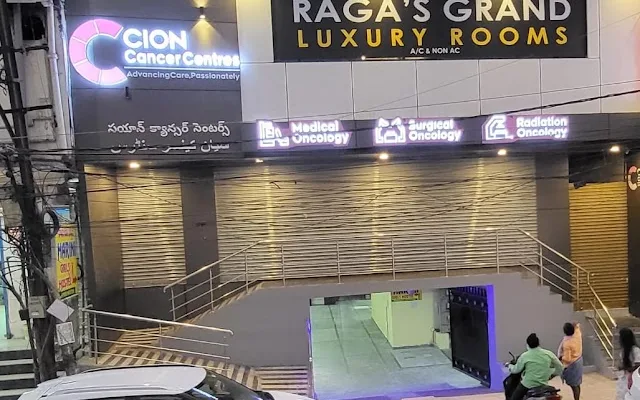
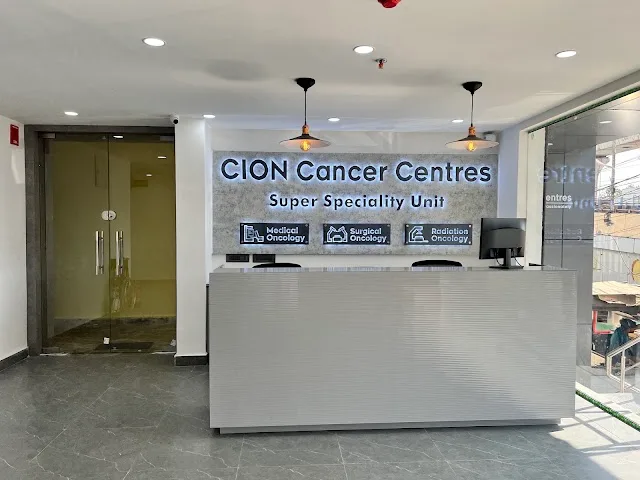
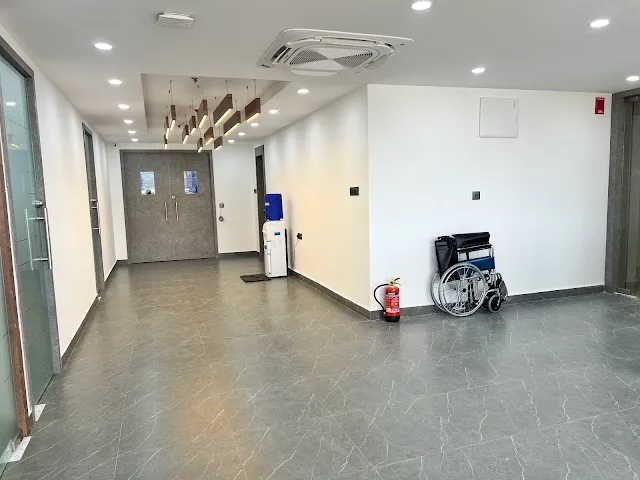
CION centres in Hyderabad
It depends on what you need on that day, and on which side of the city you live. The care team helps you pick, and one helpline books every centre.
Dr. Pokhrel sees patients here. The centre is inside OMNI Hospitals on the Mumbai Highway, opposite Big Bazaar in Balaji Nagar. It suits families from KPHB, Miyapur, Nizampet and Moosapet.
Dr. Pokhrel sees patients here too. It is in Anu Arcade, beside L.B. Nagar Metro Station in RTC Colony. It suits families from Vanasthalipuram, Dilsukhnagar, Nagole and Uppal.
Ameerpet, Kompally, Masab Tank, Tolichowki and Banjara Hills give consultations and day-care chemotherapy. Ask whether part of your treatment can be given at the one nearest you.
Some treatments, such as the first phase for acute leukaemia, need a hospital bed. Your care team names the hospital and explains why before you agree.

You call the helpline or leave your number. The care team asks what the report shows, how the patient is today, and which side of the city you live on.

Dr. Pokhrel goes through every report, examines the patient, and checks for swollen glands, an enlarged spleen, bruising or signs of infection. Bring old blood counts as well as new ones.

Usually a bone marrow test, a lymph node biopsy, or blood and urine protein tests. Lab tests on the sample tell the team the exact type. Some results take longer than others, and the team explains the wait.

You hear the recommended treatment, the choices, and a written estimate. You also hear where each part happens.

Regular blood counts guide every step. Follow-up continues after treatment ends, because the counts tell the story of recovery.
Every case goes to CION’s network tumour board, where these specialists from CION’s centres join your doctor. Ask for any of them when you book.
Treat cancer with medicines such as chemotherapy.
10+ years · MBBS, DM (Medical Oncology), MD (Radiation Oncology)
10+ years · MBBS, DNB (Internal Medicine), DM (Medical Oncology)
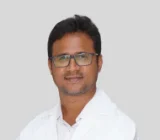
8+ years · MBBS (Gold Medal), DNB (General Medicine), DM (Medical Oncology) (Gold Medal)
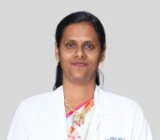
8+ years · MBBS, MD (General Medicine), DM (Medical Oncology) (Adyar, Chennai), ECMO, MRCP SCE (UK)
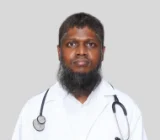
8+ years · MBBS, MD (General Medicine), DrNB (Medical Oncology), ECMO, MRCP SCE (Medical Oncology) (UK)
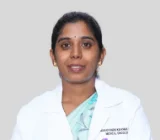
7+ years · MBBS, DM (Medical Oncology), MD (Internal Medicine)
Treat cancer with carefully aimed radiation.
10+ years · MBBS, MD (Radiation Oncology), MPH
13+ years · MBBS, MD (General Physician), DNB (Radiation Oncology)
Decide whether an operation can remove the cancer, and when.
Head of Surgical Oncology
12+ years · MBBS, MS (General Surgery), M.Ch (Surgical Oncology)
8+ years · MBBS, MS (General Surgery), M.Ch (Surgical Oncology), FMAS, FARIS (Ongoing)
20+ years · MBBS (AIIMS), MS (Surgery) (AIIMS), DNB (Surgical Oncology), MRCS (Edinburgh)
10+ years · MBBS, MS (General Surgery), M.Ch (Surgical Oncology)
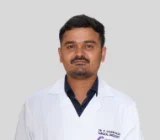
7+ years · MBBS, MS (General Surgery), M.Ch (Surgical Oncology), FMAS
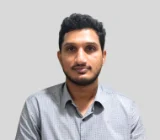
5+ years · MBBS, MS (General Surgery), DrNB (Surgical Oncology), FALS Oncology
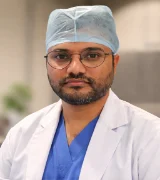
10+ years · MBBS, MS (General Surgery), DrNB (Surgical Oncology)
Start with a Consultation
Ask for the doctor you want, or we’ll match you.
Who to see first: Haematologist
Who to see first: Haematologist
Who to see first: Haematologist, to check for myeloma
Who to see first: Medical or surgical oncologist
Who to see first: Call the care team; they will route you
A little preparation makes the first visit far more useful. It also saves a second trip across the city.
Find every blood report from the past few years, not just the latest one. Add any smear reports, scan CDs, biopsy reports and slides, and the discharge summary if the patient was admitted. Write down the medicines the patient takes, including tonics and supplements.
Bring the family member who will help make decisions. Blood cancer treatment often runs for months, and it helps if one person hears everything first-hand.
CION centres in Hyderabad are open Monday to Saturday. Kukatpally opens from 10:00 AM to 6:00 PM, and L.B. Nagar from 9:30 AM to 6:00 PM. Call ahead so you know Dr. Pokhrel is in that day.
CION's team helps with cashless insurance and gives you a written estimate before you start. Bring your policy details.
Good to know
This page cannot tell you what a report means for your family. A consultation can.
The part of red cells that carries oxygen. A low level makes people tired and breathless.
The number of infection-fighting cells. Too high or too low both need explaining.
Tiny cells that help blood clot. When they are low, bruising and bleeding come easily.
Immature blood cells. A high number in the blood or marrow can point to acute leukaemia.
A lab test that reads markers on cells to name the exact type of leukaemia or lymphoma.
When tests no longer find signs of the disease. It is watched for closely afterwards.
Myth
What is true: Treatment has changed a great deal. Many people with lymphoma, myeloma or chronic leukaemia live for long periods with their disease under control. The type matters far more than the label.
Myth
What is true: Usually they are. But fevers that keep returning, with tiredness, bruising or weight loss, should prompt a blood count. It is a simple test that can rule a lot out.
Myth
What is true: People with blood cancers often need red cells or platelets during treatment. It is a routine part of care, planned by the haematologist, and nothing to fear.
Myth
What is true: What matters is a doctor who treats blood diseases regularly, and a lab that can type the disease properly. Ask who will read your bone marrow results.
The same specialists and one helpline serve every CION location in Hyderabad. Pick the location nearest you, then the specialist you need.
You are here
All seven Hyderabad centres in one place
Where Dr. Pokhrel sees patients in the west of the city
Where Dr. Pokhrel sees patients in the east of the city
The general guidance on this page draws on these sources. Facts about CION come from CION’s own pages.
Leave your number and our care team calls you back, or call any time. One helpline serves every CION centre.
Medically reviewed by Dr. Basudev Pokhrel, Consultant Haematologist (MBBS, MD (Immunohaematology & Blood Transfusion), Fellowship in Clinical Haematology (CMC Vellore)). Last reviewed October 2026. This page is general information for families from Hyderabad, not medical advice: your specialist advises on tests and treatment after seeing you.
Still unsure? Call 1800 202 8726.
He sees patients at CION Kukatpally, inside OMNI Hospitals on the Mumbai Highway, and at CION L.B. Nagar, in Anu Arcade beside L.B. Nagar Metro Station. Call the helpline and the care team books whichever centre is easier for your family to reach.
Dr. Pokhrel holds an MBBS, an MD in Immunohaematology and Blood Transfusion, and a Fellowship in Clinical Haematology from CMC Vellore. His training covers blood cancers, blood-count disorders and the transfusion support patients often need during treatment.
Possibly. Every CION centre in Hyderabad gives day-care chemotherapy. Whether your own treatment can be given at the nearest one depends on the type of blood cancer and the phase of treatment. Dr. Pokhrel decides and tells you before you start.
Not always. Many count problems are explained by blood tests alone. A bone marrow test is asked for when the blood cannot answer the question, for example when blasts appear or more than one kind of cell is low. The haematologist explains why before asking for it.
A transplant is needed only for certain blood cancers and stages. If it becomes part of the discussion, Dr. Pokhrel explains why and your care team tells you where it would be done and what it involves. Many people are treated with medicines alone.
Yes. Many families travel in from the districts for the haematology consultation. First tests can sometimes be done nearer home. Tell the care team where you live, and they will plan the visit so you make as few trips as possible.
CION's team helps with cashless insurance and gives you a written estimate before you start. Bring your insurance card and policy papers to the first visit. If an employer or government scheme covers you, mention it when you call so the team can check it.
Yes, for a first conversation about the reports. This often helps when the patient is weak or lives far away. The haematologist still needs to see the patient before treatment is planned, but the family can learn which tests come next.
Follow Us:



 1800 120 2676